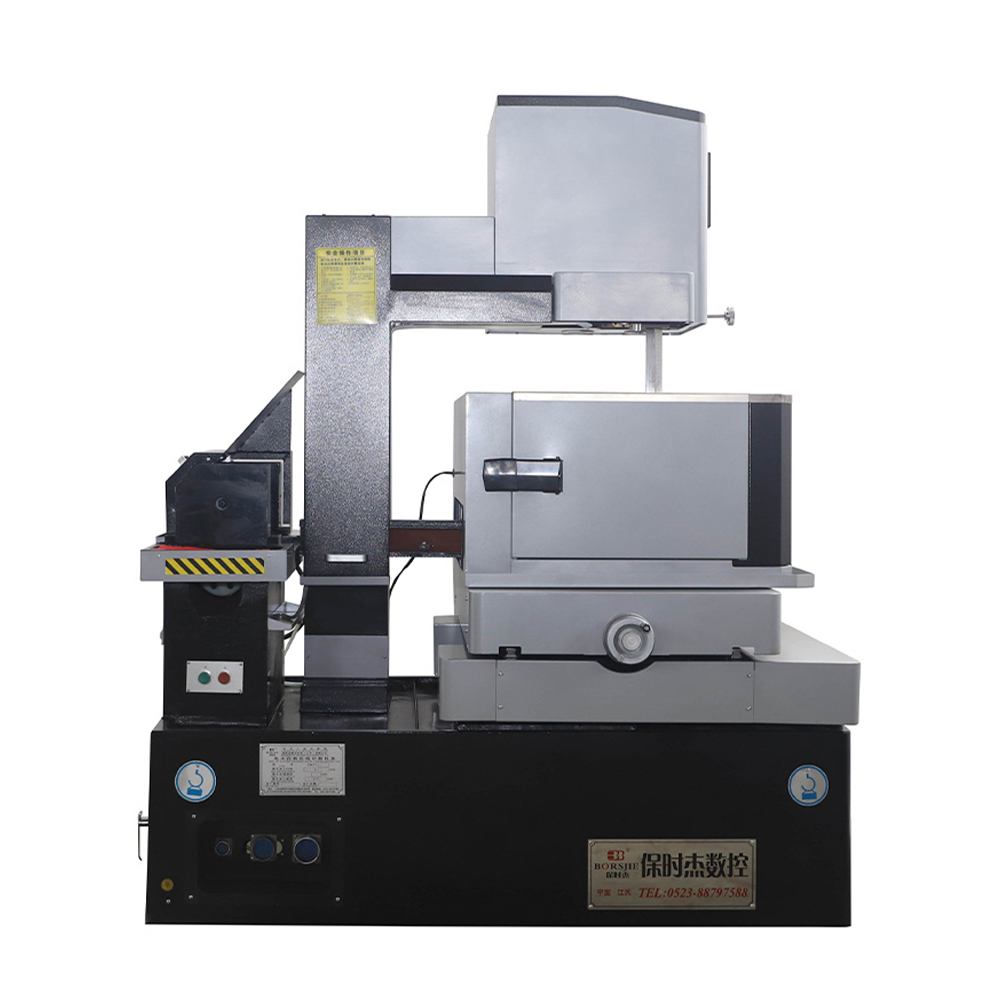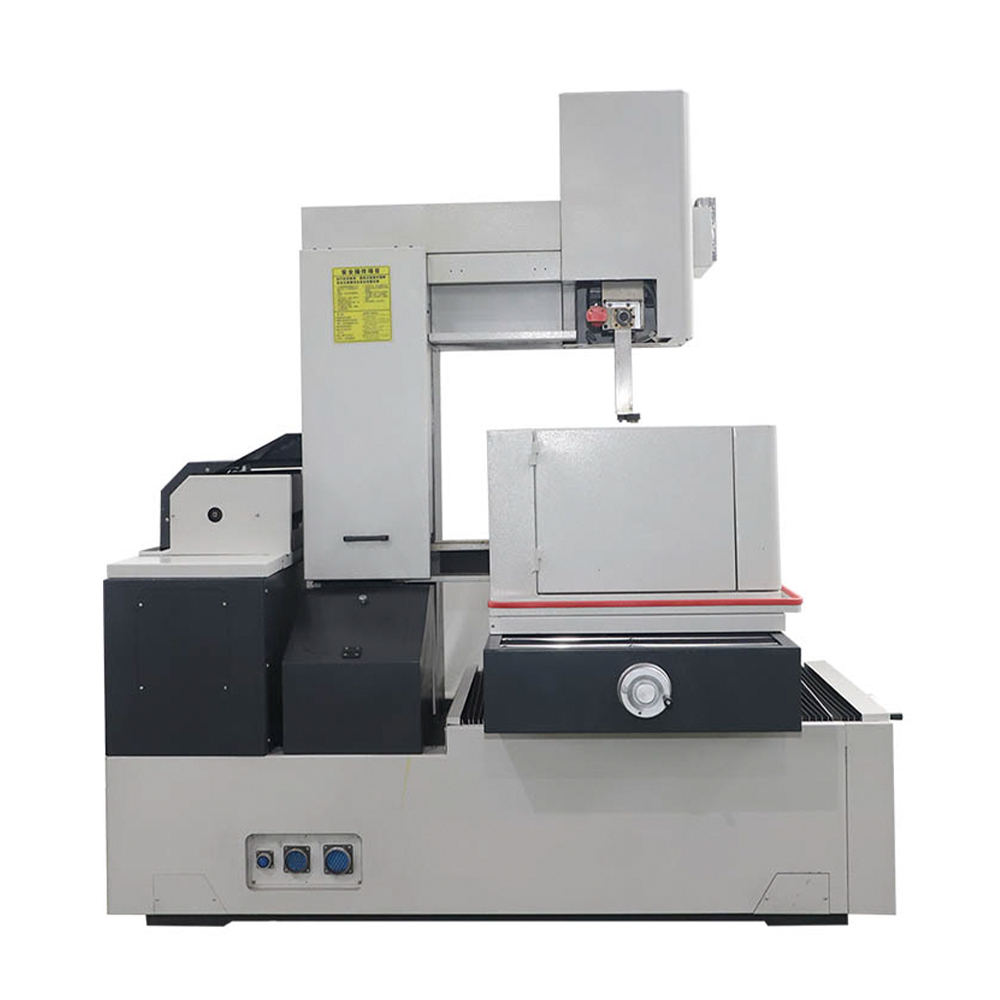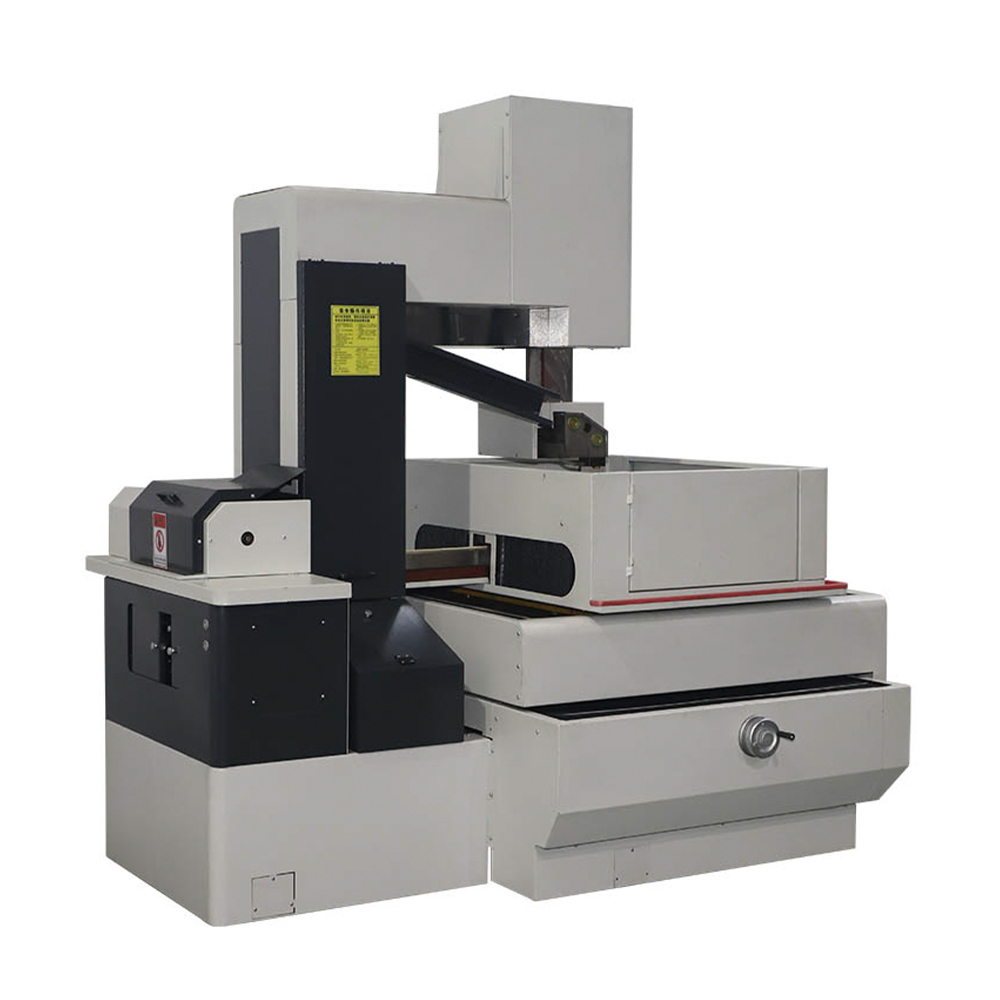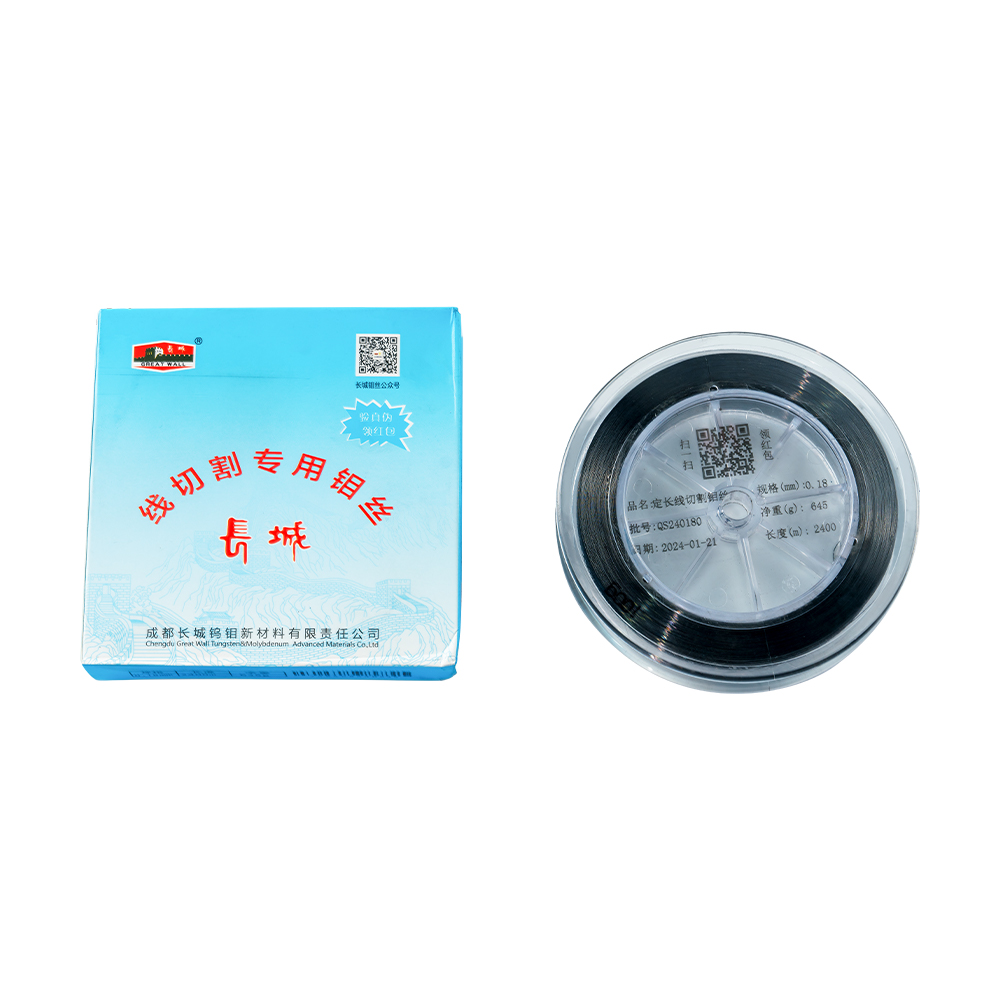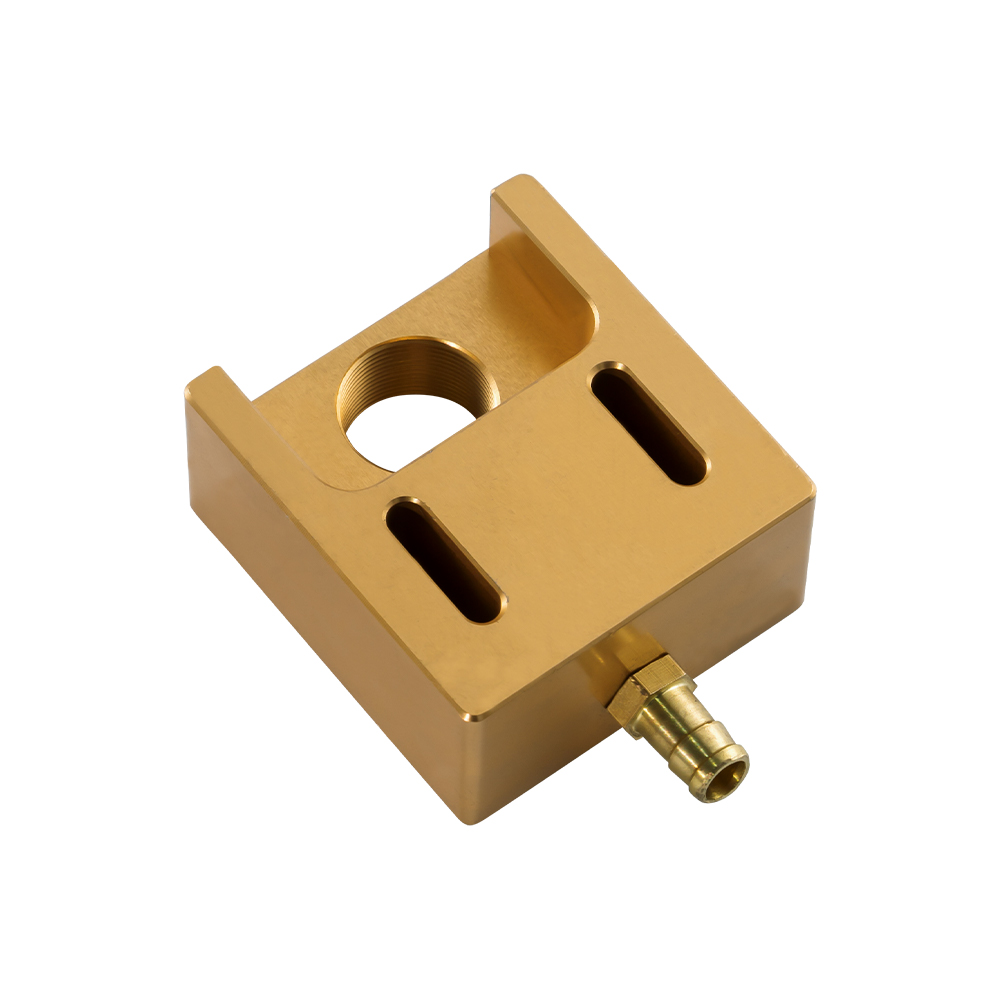
Precision mould is one of the most common and important application fields of wire EDM machines, widely used in the machining of plastic moulds, stamping dies, and carbide punches. Wire EDM can complete complex contour machining in one process, and is especially suitable for hardened tool steel after heat treatment, reducing secondary finishing and improving both machining efficiency and final accuracy.
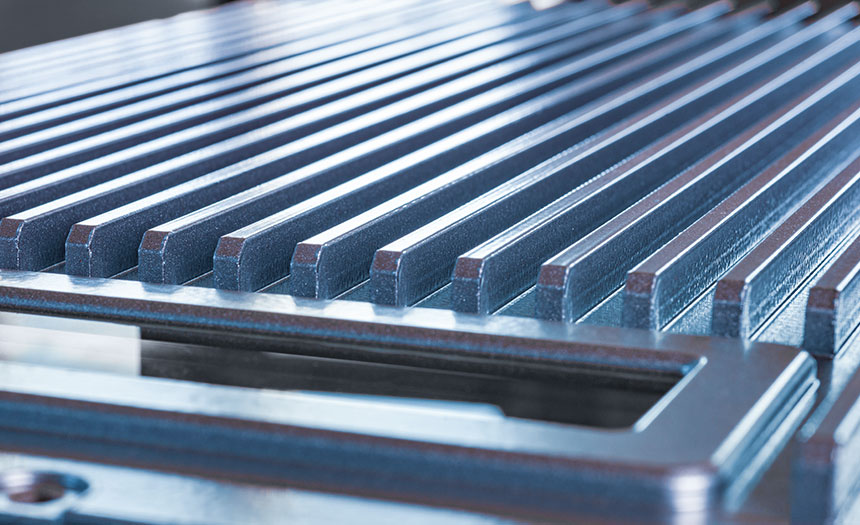
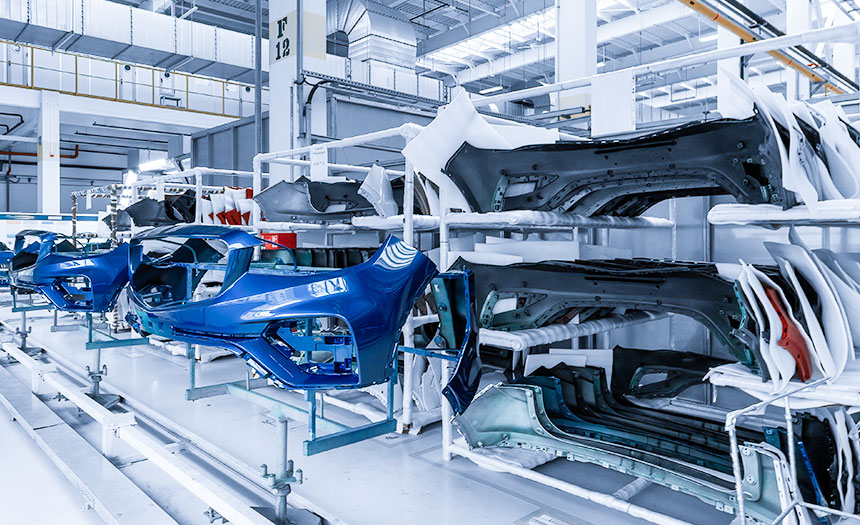
The automotive industry requires high precision and strong consistency in part production. Wire EDM machines are widely used in the machining of precision gears, fuel injection nozzles, stamping dies, and other components, and are especially suitable for processing carbide and hardened steel used in mould manufacturing. With stable machining accuracy and reliable consistency, they can effectively meet the production needs of automotive parts and related tooling.
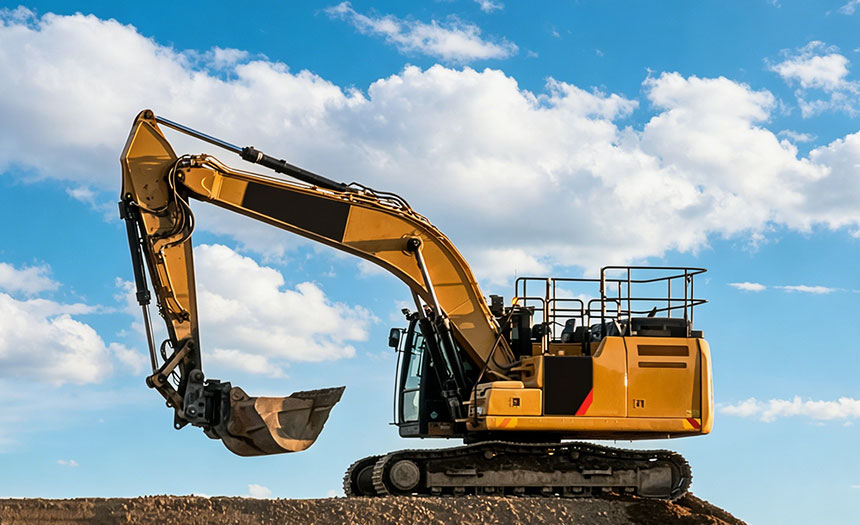
The construction machinery industry requires high durability, machining accuracy, and stable consistency in part production. Wire EDM machines are widely used in the precision machining of construction machinery parts and related tooling, and are especially suitable for processing complex contours, hardened steel, and carbide materials. With stable cutting performance and reliable machining consistency, they help improve both part quality and production efficiency.
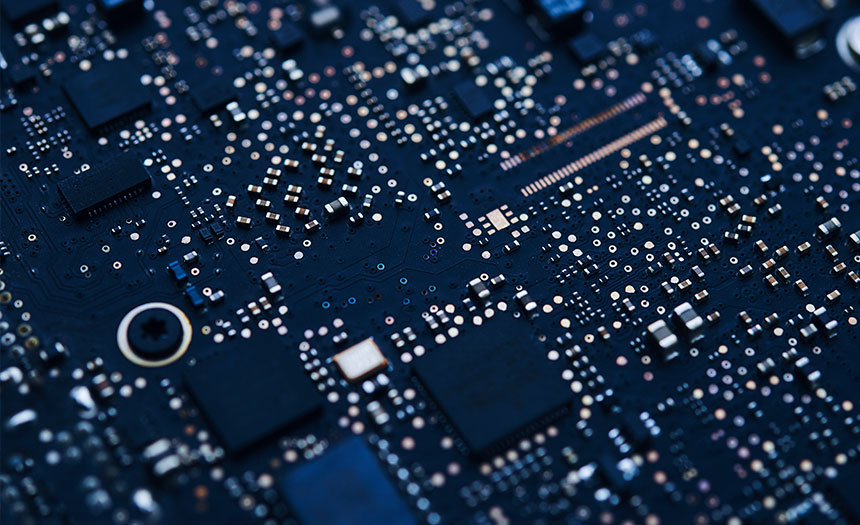
The electronics and telecommunications industry requires high standards in dimensional accuracy, surface finish, and machining stability. Wire EDM machines are well suited for the machining of precision electronic components and related tooling, especially for complex contours, small precision structures, and parts that require high consistency. With stable machining accuracy and continuous optimization of surface finish and cutting stability, they can better meet the precision processing needs of this industry.
The aerospace industry demands extremely high standards in material performance, machining accuracy, and structural stability. Wire EDM machines are widely used in the machining of turbine blades, engine components, and fuel system parts, and are especially suitable for difficult-to-machine materials such as titanium alloys and high-temperature alloys. With no cutting force during processing, they can effectively prevent deformation of thin-wall structures and meet the strict precision requirements of the aerospace industry.

Baoshijie CNC Machine Tool Jiangsu Co., Ltd. is located in Yuxi Economic Development Zone, Jiangyan District, Taizhou City, Jiangsu Province. It is a high-tech CNC machine tool manufacturer integrating R&D, production, sales, and service.
Quick
Contact Us
86-523-88797588
+86-18115198365 / +86-13773282180
No. 3 Yuhong Road, Yuxi Town, Jiangyan District, Taizhou City, Jiangsu Province, China

 English
 Español